Featured
Table of Contents
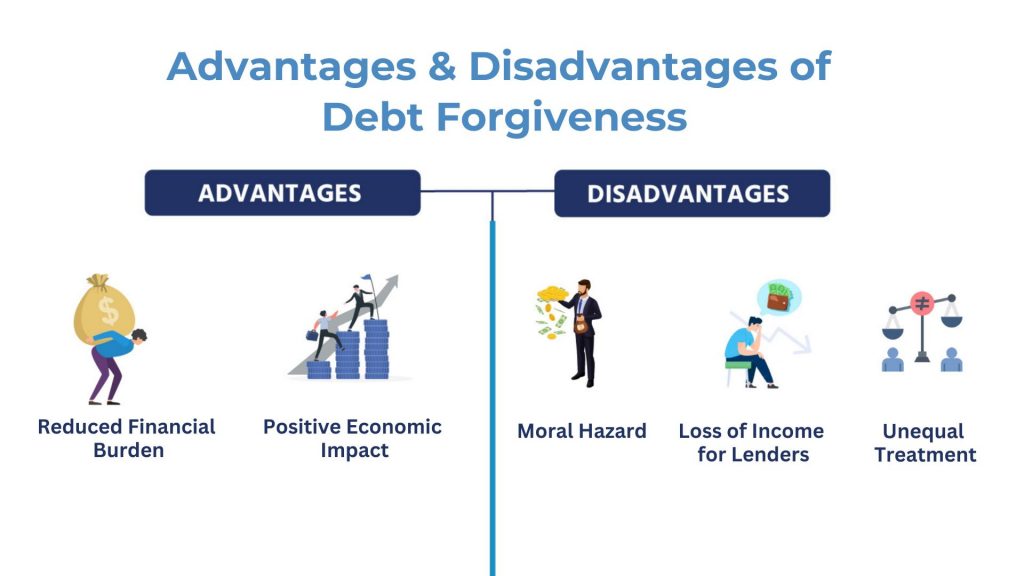
That frees up money in the short-term, and you might have three to four years to conserve toward the negotiation quantity. Really harmful to credit rating, primarily because of missed out on settlements and an unfavorable "resolved" mark that could remain on your credit rating report for up to 7 yearsMay be just option if various other alternatives (financial debt loan consolidation, equilibrium transfer charge card, financial debt mercy) aren't possibleTypically requires a cost to the 3rd event, which could offset some or every one of the cost savings from financial debt settlementMay assist you prevent personal bankruptcy if you have actually missed out on numerous paymentsNot all lenders work with financial debt negotiation companies Financial debt forgiveness may be appropriate for you if you are experiencing a monetary hardship that makes it virtually impossible to pay for your financial debt balances.

With a DMP, you make one monthly repayment to the credit history therapy agency. Those funds are after that distributed to lenders of your unsecured financial debts, such as credit history cards and installment financings. The agency collaborates with your lenders to reduce interest prices or waive charges, yet some financial institutions might reject such concessions.
A debt loan consolidation finance combines your eligible debts right into one brand-new car loan. It can help you pay down debt if you have the ability to secure a financing rate that's less than the average price of the accounts you're consolidating. You need to abstain from racking up debt on those newly gotten rid of accounts or your debt might grow even greater.
These cards often provide a 0% passion initial duration of as much as 21 months. That offers you plenty of time to get rid of or dramatically lower your equilibrium while making interest-free settlements. For some individuals encountering impossible debt, insolvency might be the only method to stop collection process and legally resolve their financial debts.
Examine This Report about Restoring Personal Credit Rating Following Rebuild Credit
You may require it if your creditor or a debt collector ever before tries to accumulate on the financial obligation in the future. The letter could confirm you do not owe what the debt collection agency's documents reveal. Yes, in the majority of instances, the IRS takes into consideration forgiven financial obligation as taxed income. When a lending institution forgives $600 or even more, they are called for to send you Type 1099-C.
Financial obligation forgiveness or settlement practically constantly harms your credit score. Anytime you clear up a debt for much less than you owe, it may look like "worked out" on your debt record and affect your credit history for 7 years from the date of negotiation. Your credit rating can additionally go down considerably in the months causing the forgiveness if you drop behind on payments.
All about Technology Is Making Debt Relief More Accessible
This circumstance commonly results from underreporting revenue, not filing returns on time, or discrepancies located throughout an Internal revenue service audit. The repercussions of gathering tax obligation financial debt are significant and can include tax liens, which give the IRS a lawful insurance claim to your residential or commercial property as protection for the financial debt.
Earnings and Bank Accounts IRS can impose (take) earnings and bank accounts to please the debt. Residential property Seizure In severe instances, the Internal revenue service can take and offer home to cover the financial debt.
Social Stigma Encountering lawful action from the Internal revenue service can lug social stigma. Work Opportunities A bad credit report score due to exhaust financial obligation can restrict work opportunities. Government Advantages Tax financial debt may influence eligibility for federal government advantages, such as Social Protection and Medicaid.
How "Debt Forgiveness Is Embarrassing" Corrected can Save You Time, Stress, and Money.
The OIC takes into consideration several elements, including the taxpayer's revenue, expenses, possession equity, and ability to pay. Efficiently discussing an OIC can be intricate, calling for a comprehensive understanding of the IRS's guidelines and a solid argument for why your offer lines up with your ability to pay. It is necessary to keep in mind that not all applications are approved, and the procedure needs comprehensive monetary disclosure.
The IRS assesses your general monetary circumstance, including your earnings, expenditures, property equity, and capacity to pay. You should additionally be current with all declaring and settlement requirements and not remain in an open personal bankruptcy case. The internal revenue service also considers your conformity history, assessing whether you have a record of prompt declaring and paying tax obligations in previous years.
Some Of Ways Reputable Providers Uphold Regulatory Compliance
The application process for a Deal in Compromise includes a number of in-depth actions. You should finish and send IRS Kind 656, the Deal in Compromise application, and Type 433-A (OIC), a collection information declaration for individuals. These kinds call for comprehensive monetary information, including information concerning your earnings, debts, costs, and possessions.
Back tax obligations, which are unsettled tax obligations from previous years, can substantially enhance your overall IRS financial obligation otherwise attended to quickly. This financial debt can accumulate interest and late payment penalties, making the original amount owed a lot bigger in time. Failing to repay taxes can cause the internal revenue service taking enforcement actions, such as providing a tax lien or levy versus your property.
It is crucial to resolve back taxes as soon as possible, either by paying the full quantity owed or by arranging a repayment plan with the IRS. By taking aggressive steps, you can stay clear of the buildup of additional rate of interest and penalties, and protect against more aggressive collection activities by the IRS.
One typical factor is the idea that the taxpayer can pay the total either as a round figure or through a settlement strategy. The IRS also takes into consideration the taxpayer's earnings, expenses, asset equity, and future earning potential. If these variables indicate that the taxpayer can manage to pay greater than the offered amount, the IRS is most likely to turn down the offer.
An Unbiased View of How to Not Fall Into the Old Mistakes After Debt Relief
It is essential to supply accurate and complete details in your application and to talk to a tax obligation professional to improve the opportunities of acceptance. Managing IRS debt can be complex and overwhelming. Tax obligation specialists, such as CPAs, tax obligation attorneys, or enrolled representatives, can supply important aid. They have the knowledge to navigate the complexities of tax law and internal revenue service procedures.

Table of Contents
Latest Posts
Facts About Market Trends and How More Families Need for A Season of Gratitude: How APFSC Helps Families Thrive : APFSC Revealed
The Ultimate Guide To Unsecured Debt Rebuild Credit Pathways
Examine This Report on How to Never Repeat the Old Patterns After Debt Relief
More
Latest Posts
Facts About Market Trends and How More Families Need for A Season of Gratitude: How APFSC Helps Families Thrive : APFSC Revealed
The Ultimate Guide To Unsecured Debt Rebuild Credit Pathways
Examine This Report on How to Never Repeat the Old Patterns After Debt Relief